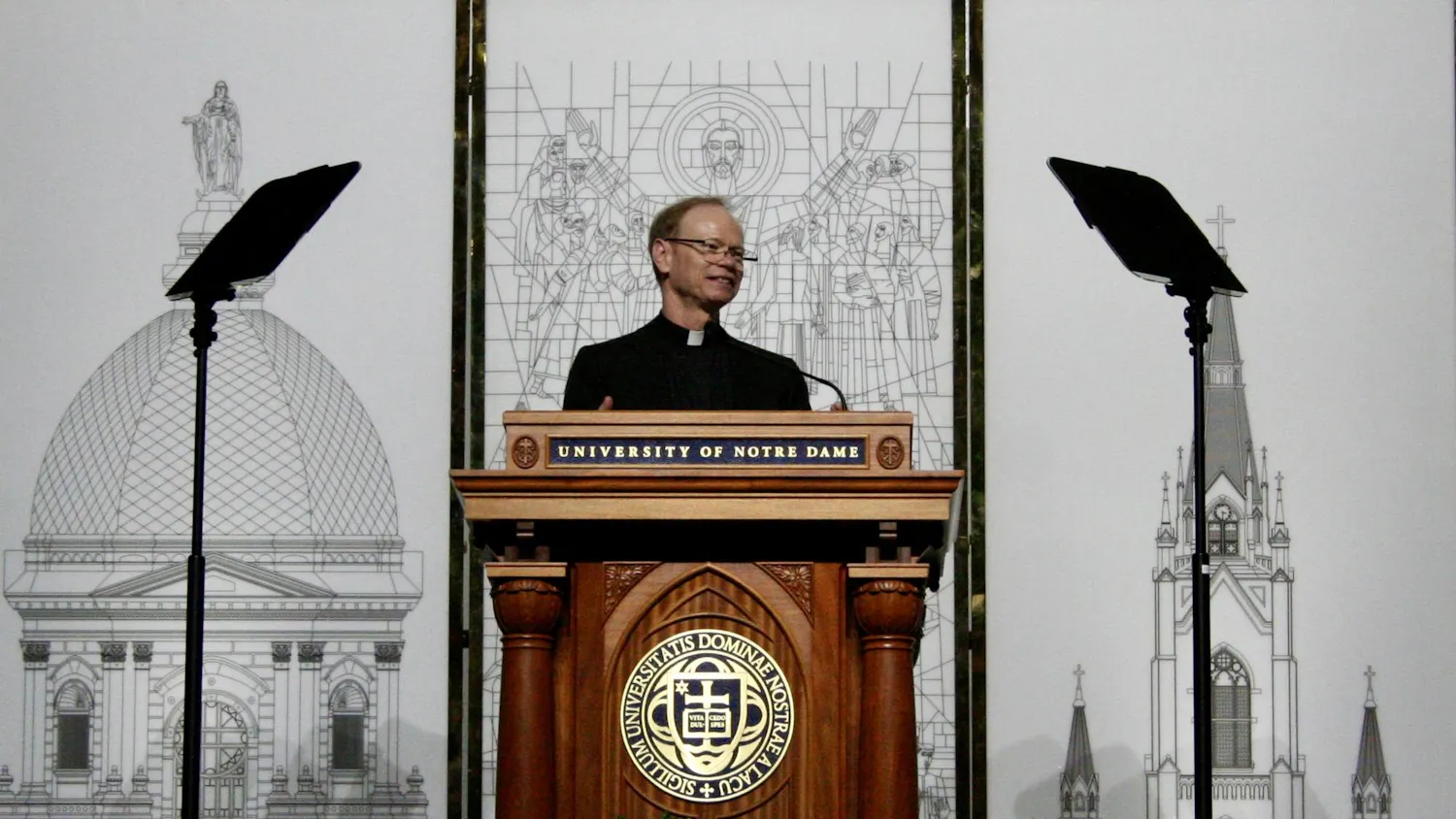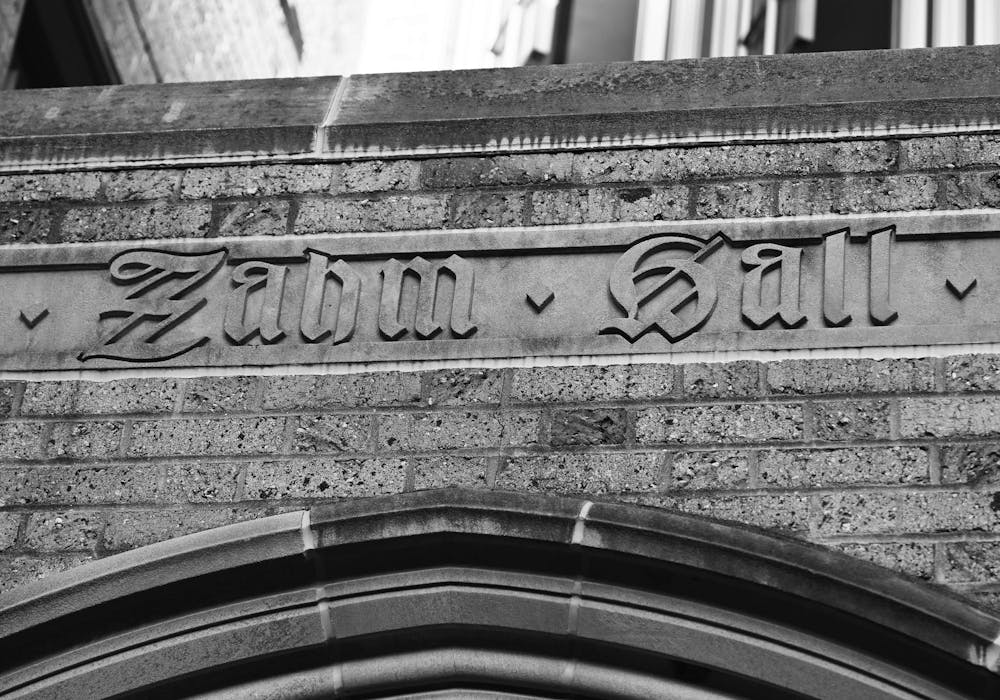
Notre Dame has announced an external investigation into allegations that Fr. Thomas King engaged in sexual misconduct during his time as rector of Zahm Hall from 1980 to 1997.
University President Fr. Robert Dowd and John Veihmeyer, chair of the University’s board of trustees, requested that the board of trustees convene a special commission to oversee the external investigation into the sexual misconduct allegations. The investigation will be led by Helen Cantwell at the law firm Debevoise & Plimpton LLP.
Cantwell, a former prosecutor for the sex crimes unit of the Manhattan District Attorney’s office, “has deep experience in conducting sensitive investigations involving allegations of sexual misconduct and sexual harassment,” according to Debevoise & Plimpton.
Cantwell previously investigated allegations of sexual abuse against a Syracuse University men’s basketball coach and allegations of sexual misconduct against two Cleveland Orchestra musicians.
In a press release, the University shared that the “key findings” of the investigation would be shared with the Notre Dame community.
The announcement came after a letter was sent by the University to Zahm Hall alumni during the period that King was rector. The letter requested that anyone who may have been a victim or anyone with additional information about the alleged sexual misconduct contact Debevoise & Plimpton at NotreDameReview@debevoise.com.
In the letter, Dowd and Veihmeyer stated that the investigation will also examine “the University’s handling of any past complaints regarding Fr. King.”
“As University leaders, our most important duty is ensuring the well-being of our students and all who come to our campus,” the letter stated. “We are saddened that there are members of our community who may have suffered abuse while here and may not have received the support, care, and love they deserve.”
The University declined to comment while the investigation is ongoing.
Zahm Hall, where King was rector, was closed prior to the 2022 academic year. Concerns of a disregard for COVID-19 protocols, vandalism and a “troubling culture” were among the reasons cited for the decision. The building now serves as a transitional residence hall for residents of dorms whose buildings are undergoing renovation or demolition. This year, it houses the Coyle community in Zahm Hall, whose residents will move into Coyle Hall next year.