Faculty group honors Native Americans, works to increase representation
March 27, 1973 | David Rust | Researched by Evan McKenna
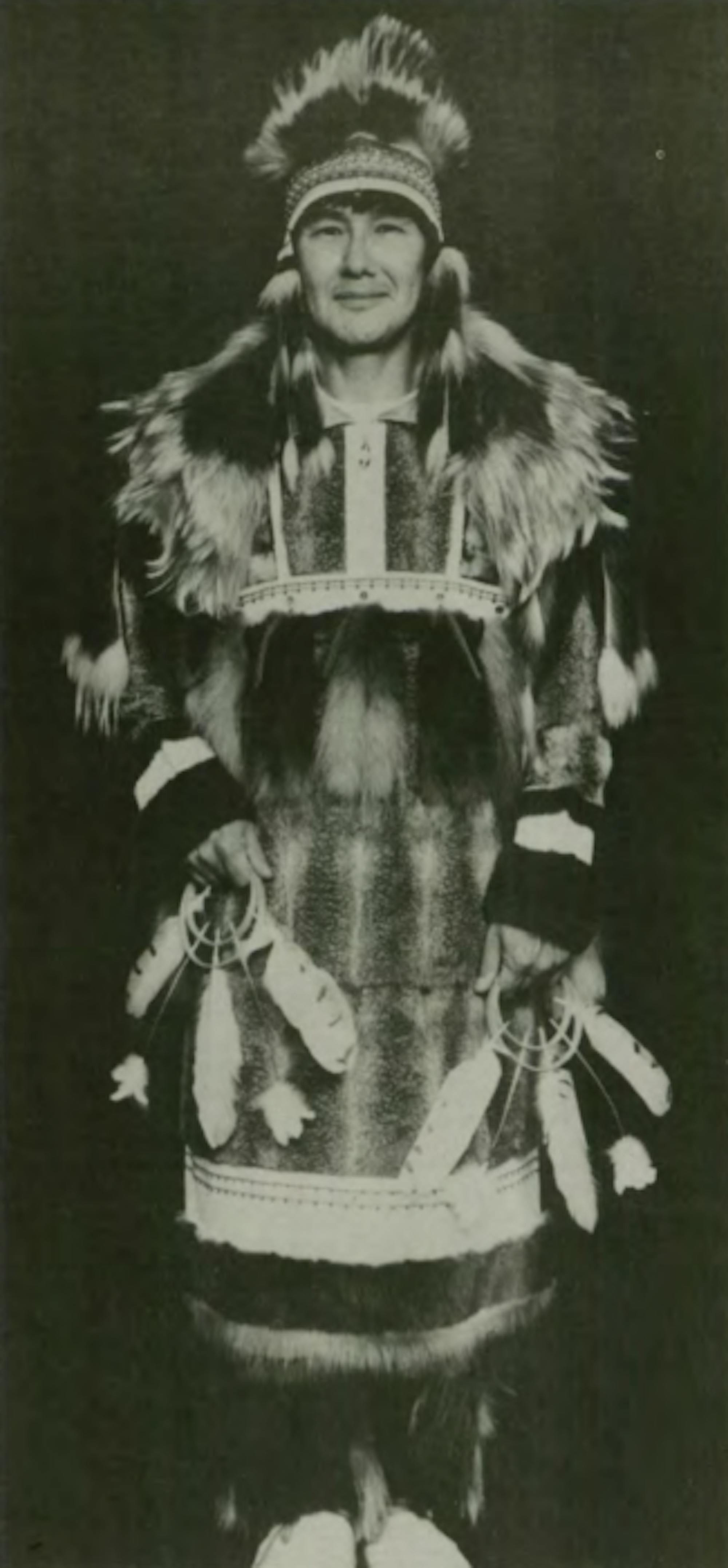
Before beginning his coverage of Native American leadership and representation on campus, news writer David Rust (‘76) began with a forthright reminder: Notre Dame’s history is inextricably linked to Native American heritage. “The school sits on [Native American] land,” Rust reminded readers. “...and Fr. Sorin was invited here by the [Native Americans] to introduce Christianity and education to the region.” But despite the University owing its origins to this invitation from the Potawatomi, there were still “very few” Native American students and faculty on campus, noted English professor Dr. Adoph Soens — the Native American Club of Notre Dame only had five members that year.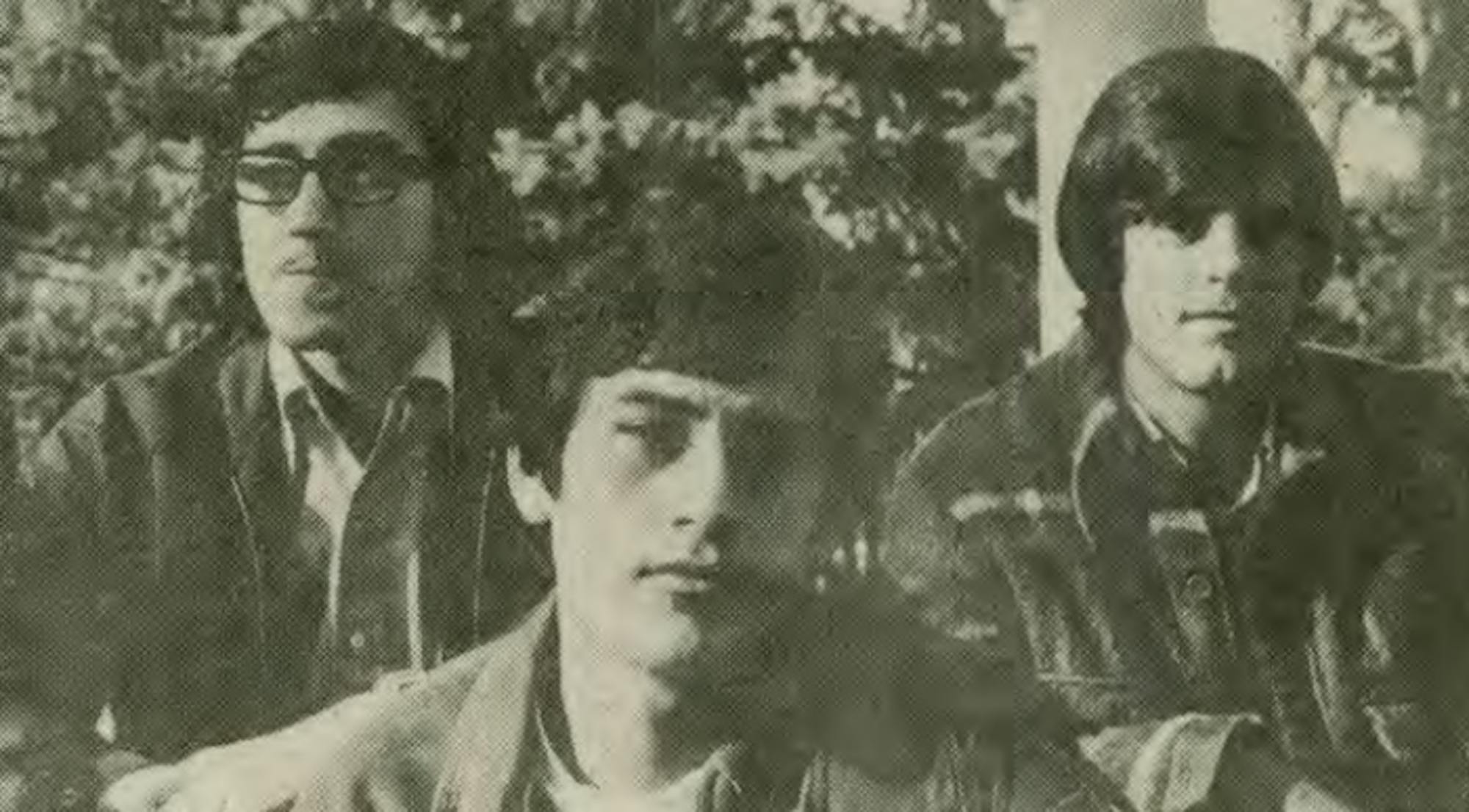
Notre Dame hosts first powwows, showcases Native American heritage
Apr. 17, 1989 | Janice O’Leary | Apr. 3, 1990 | Patrick Healy| Researched by Christopher Russo
On April 17, 1989, news writer Janice O’Leary (‘92) covered the first Native American powwow held at Notre Dame. Five tribes attended the event: the Miami, the Ottawa, the Sioux and the Lakota, all traveling from various locations across the midwest, and the Potawatomi, residing in the South Bend region.The event was organized by the Native American Student Association of Notre Dame (NASAND), a group composed of 15 members hailing from Native American tribes across the country. According to O’Leary, the powwow took nearly two years to plan.O’Leary captured the cultural significance of ceremonial dances performed at the powwow, such as the “Two-Step,” the “Round Dance” and the “Eagle Feather Honor Song,” each routine largely family-oriented. Mary Feliz, chairman of the powwow, told O’Leary that the integration of young and old tribe members is “very different from the American society where the children are kept quiet.” Native American vendors were also present at the event, selling “turquoise jewelry, moccasins, and various crafts.” Event coordinators told O’Leary that wares were “all fashioned from things found to exist in nature.”One year later, on Apr. 3, 1990, Patrick Healy (‘91) relayed the Observer’s coverage of NASAND’s second on-campus powwow. The event’s second year saw an increase in participation from five tribes to 12. Both O’Leary and Healy wrote of the cultural exposure that stemmed from this event. Student attendees listened to traditional music, performed ceremonial dances and interacted with tribal elders. Elizabeth Bird, former president of NASAND, told O’Leary the powwow was meant to make the Notre Dame community “open their eyes to something that was here before them.” “We wanted to show [Notre Dame] who we are,” Feliz added. “It was something that needed to be done.” While the last documented powwow at Notre Dame was held in April 1992, NASAND hopes to celebrate future Indigenous People’s Days by organizing more.Recognition and celebration: Tour honors Native American heritage at Notre Dame
March 21, 1995 | Liza Nykiel | Researched by Maggie Clark
“From Plains, Pueblos, and Tundras”: this event, an ode to the excellence and uniqueness of Native American culture, occurred at Notre Dame on March 21, 1995. Held in the Stepan Center, the celebration was organized and brought to the school by NASAND in an attempt to enhance cultural appreciation among students. Accent writer Liza Nykiel (‘96) covered the anticipation and excitement on and off-campus leading up to the event, and in doing so, shed light on a turning point in Notre Dame’s relationship with Indigenous culture.Nykiel noted the cultural tour was run by the National Council for the Traditional Arts, an organization dedicated to “the documentation and presentation of folk and traditional art in the United States.” The tour included performers from a variety of Indigenous tribes in order to offer a wide range of art and culture to the students.