Imagine you’re alone in public or maybe you’re in a room full of people. In both situations, you find yourself in a moment of uncomfortableness and don’t know who to turn to and it makes you question every single action that led to this moment. This doesn’t encompass all of the situations possible, but it should help you understand people who find themselves in this position.
Allyship on sexual violence needs to be more refined by the general public. As someone who cares about this issue, I want to ensure I do my part in providing a solid base to help those who are survivors of sexual violence or know someone who is. Even though I am not an expert on allyship, making these resources and information more apparent can help make all of us better at standing up for those who need support.
First and foremost, being an ally is not simply thinking that sexual violence is wrong and it’s not okay to be a perpetrator of it. It is far more than the basic level of common decency and respect that everyone should have. It’s not something that should make a person seem nicer because they don’t tolerate people who do that or don’t associate with them.
Allyship is also not a short-term label for a situation regarding sexual violence and how we respond to it. It is helping the survivor by not just listening and standing in solidarity with them but also advocating for their needs, reaffirming them and showing up for difficult conversations in the long term.
The term is not just to be thrown around when a new case of sexual assault occurs either. As an ally, you’re working towards awareness, prevention and empowerment of the survivors and communities most affected by the situation.
While this may all sound like word vomit, I’ll break it down to identify some of the root causes of sexual violence using the Anti-Violence Continuum/Pyramid Model (with equal respect to The Social Ecological Model). This model provides a visual representation on how sexual violence is not just a one-time event, but rather constructed by social inequalities that further marginalize individuals and communities.
The first section from this model is attitudes and beliefs. No social dilemma in the world cannot find its traces through the ‘-isms’ and how it subjects communities to further exploitation and oppression.
I’ll be honest, women of color are treated unfairly, especially Black women and the LGBTQ+ community. We are not seen in the same light as others and receive little to no respect that all individuals in a society should have. Society supports that inequality through a variety of ways (e.g. built on classism, racism, sexism), and it would only further exacerbate on the issue as long as we let it continue to happen.
The next tier is "verbal expressions." Making any sexual jokes or remarks to bros, gals or folks at the expense of others is what makes the person exactly the problem and is what’s feeding part of this cycle.
As a general tip on having friends who make these kinds of jokes or remarks (even if it’s just once), reconsider how the friend or friend group impacts your morals and values. Surrounding yourself with people with these types of attitudes and beliefs will affect you and the people they associate with.
I know it’s hard to make the decision to leave that person and maybe it’s tiring to educate them, but there is a responsibility to address what’s happening (if physically safe). I cannot address the complexity of this level in how it leads to the others, but it’s part of how we make sure these offensive and destructive expressions do not lead to further actions and become normalized.
Another note to this level is that while women can also be perpetrators and be part of this cycle, men are more likely to commit sexual violence and more willing to cultivate an environment where this violence is normalized, especially within college campuses.
The last two levels are what violence is, including sexual assault, suicide and homicides. This is what grabs the local community and maybe national attention rather than the main sources being addressed.
When we hear it in the news, we try to consider what went wrong with all of us, when really — going back to the beginning, allyship is a constant and deliberate act to ensure the survivors have the help and resources they need. Along with creating an environment where this shouldn’t exist in the first place.
Let’s look at this in a broader picture and with examples that are familiar to us. Powerful men in general are able to suppress victims and have their cases acquitted, such as with Ben Affleck, Kevin Spacey and Harvey Weinstein. While some may have been ostracized from their careers, the survivors have to live with the damaging effect of sexual trauma while fighting for justice that is barely given to them, if even at all.
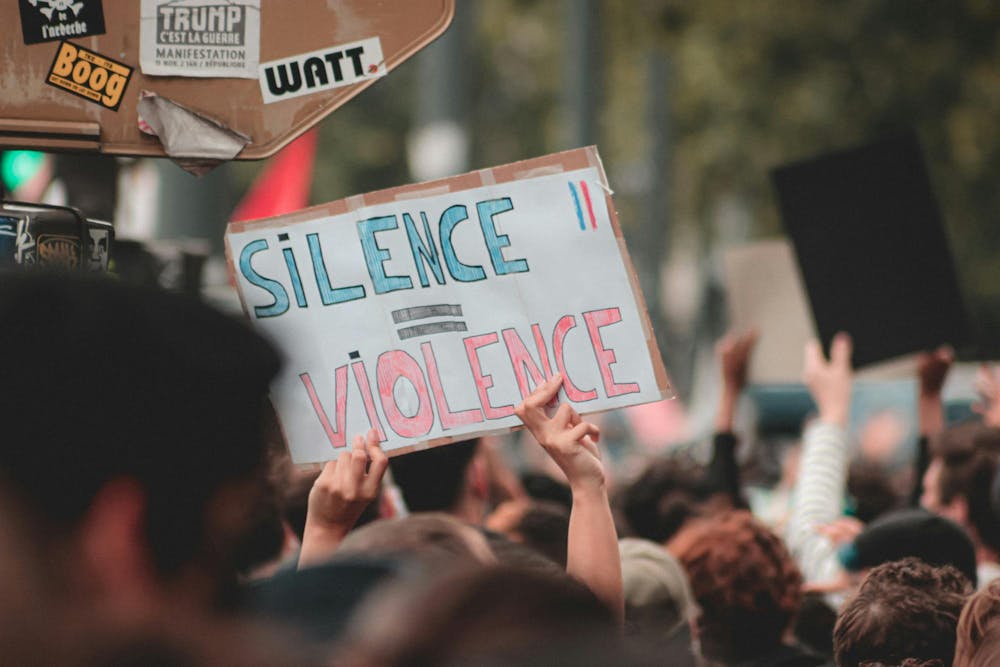
As sexual violence awareness initiatives occur this April, it’s another reminder to take everything about sexual violence seriously without a second thought. As a tri-campus community, if we are to promote a common safety between each other, then we must not let silence and performative allyship be our demise. The knowledge we gain from activists, experts and survivors helps us avoid this by learning how we can better show up on this topic and not let this be obscured.
Because this isn’t normal and the fact that these events, initiatives and resources exist is empowering, but at the same time, heartbreaking. So as always, believe the survivor first and let’s do our part to show up as an advocate on sexual violence. Our efforts will not work if we don’t show up together.