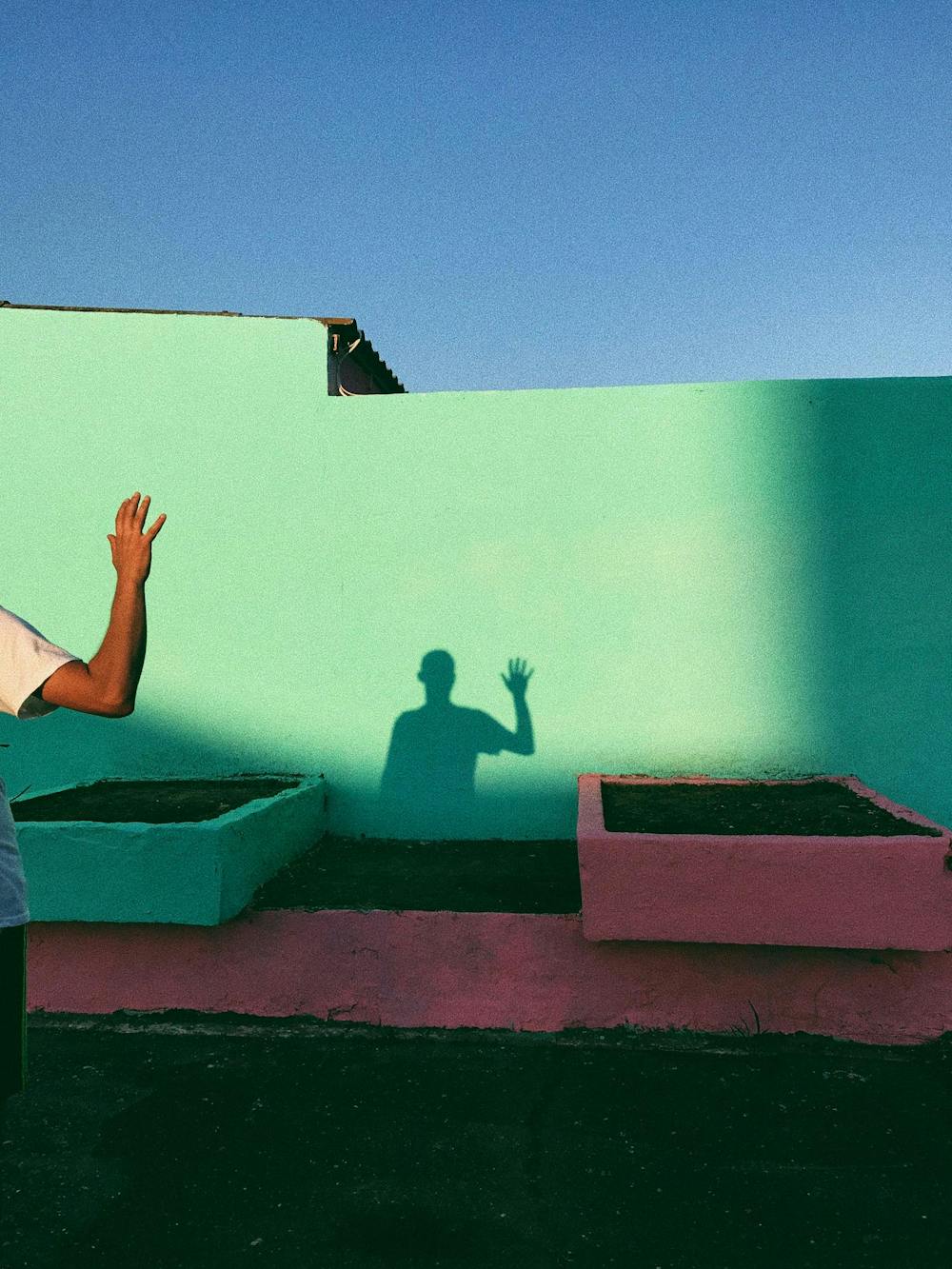
It is lovely to be walking alone again, taking long strides of certainty on the campus that I have come to know so well over the last three years. I gently weave through the crowds of excited freshmen and their parents, give a half-annoyed, half-amused smile as I navigate past the many carts and suitcases that are staples of Welcome Weekend. I walk through South Quad with the confidence of a senior.
Suddenly, a voice calls out to me, “Hi, Hannah!” I wait for a heartbeat, and then I turn toward the voice with a practiced smile. “Hi,” I say. As I walk back to my dorm, I taste the familiar tinge of discomfort on my tongue.
Once again, I walk past the excited shouts of the freshmen. But this time I don’t feel like a confident senior. I can only remember the freshman I had been, what it felt like to stand in a corner as a thousand new voices drifted in and out of my ears.
As a blind girl growing up in India, I navigated my small world with confidence. Years of conversations and laughter had permanently etched the voices of my family and my classmates into my heart. But then I moved to the U.S. for college, and my world opened so wide I could no longer trace its limits.
Welcome Weekend was a wave of strange voices that washed over me, leaving me breathless. I really wanted to hold onto them, but these voices in their unfamiliar accents just slipped through my fingers, leaving me empty and exhausted.
As my first semester at Notre Dame picked up its pace, my sense of isolation only increased.
Every day, I felt a thousand brief “Hi, Hannah’s” rest against my skin. But these voices never made themselves known to me by name. I began to master the art of the fake smile, the cheerful lilt, as I greeted the voices of strangers.
Sometimes, I laughed at it all, called them games I had to play to survive. But most times, I felt so alone in a world where everyone seemed to know each other. I found myself trapped in long conversations with “friends” who seemed to know all about me, my major, how hard my midterm had been. As I mechanically answered the questions they threw at me, I would desperately command my brain to go through the thousands of voices that I had encountered at Notre Dame and find one that fit the person I was talking to. A part of me would long to ask that question, “Could you please tell me your name?” But listening to the warmth and the familiarity in their voice, I would never have the courage to tell them that I did not recognize them. I left conversations feeling numb, trapped in my brain, struggling to find an answer to that one question.
But something changed when I said “yes” to Notre Dame Vision, a summer retreat for high schoolers led by Notre Dame students. Before the start of the program, my supervisors sat down with me and asked me how they could ensure that I had an inclusive experience. That question finally gave me the space to articulate what I needed. I told them that whenever anyone greeted me, I needed them to tell me their name. I left that meeting knowing that I had been heard.
But my reassurance gave way to familiar anxiety as I met the 40 other students who would be working with me. The first day of names and introductions drifted through me. The second day, I prepared myself to smile as I had always done at the strange voices. “Hi Hannah, it's Ben.” My smile froze, then widened. “Hi, Ben!” I said. The joy in my voice was too real.
Every day of those two months, I was greeted by people who intentionally made themselves known to me, again and again. And slowly, I began holding onto their voices, Maria’s low alto and her joyful laughter, the lazy sarcasm in Rob’s voice. Slowly, these voices became a part of me, and these strangers became friends who etched their names into my heart.
The friends I made through Vision proved to me that it is indeed possible to create a truly inclusive community that respects the individual needs of each person. The voices of my friends helped me to find roots at Notre Dame. Their willingness to make themselves known gave me the confidence to stride through this campus and finally call it my home.
But the taste of discomfort and overwhelming fatigue still lingers. Every time I am trapped in an empty interaction in which I am left searching for the other person’s identity, I feel like that vulnerable freshman who stood alone at the edge of the Notre Dame community. But now I also have hope, because I believe in my university and what its students can do.
I know that Notre Dame is a place that does not take its commitment to inclusion lightly. I know that Notre Dame is a place where I continue to encounter people like Rob, Liam and Martha.
My friends at Vision once gave me the space to articulate what I needed. They gave me the courage to find my voice. Today, I am strong enough to claim space for myself and articulate my need, because I know that Notre Dame has a listening heart. So once again, I speak for myself, and perhaps for the blind students who will come after me. I ask that you make yourself known to me by name every time you greet me, so that I can reach out to you with a lilt in my voice, with a smile that comes from my heart.
Hannah Alice Simon was born and raised in Kerala, India, and moved to the U.S. for college with the dream of thriving in an intellectual environment that celebrates people with disabilities. On campus, you will mostly see her taking the longest routes to classrooms with her loyal cane, Riptide, by her side. She studies psychology and English with minors in musical theatre and theology. You can contact Hannah at hsimon2@nd.edu.