This summer, Harvard University became the center of a visa crisis when the U.S. government briefly revoked its ability to enroll new international students. Thousands of students suddenly faced the possibility of being denied entry into the country, their academic futures thrown into limbo. Although a federal judge quickly blocked the order, the incident exposed just how fragile the system is for international students. Even at one of the world’s most prestigious universities, bureaucratic and political barriers can interrupt education overnight. This episode is not an isolated case — it reflects the broader challenges posed by visa delays, which force students to miss classes, lose money and question whether they will be able to pursue the opportunities they have worked so hard to earn.
Visa delays are not new, but they have become more common in recent years. In the aftermath of the COVID-19 pandemic, many embassies reduced staff and shifted resources, leading to longer processing times. These shortages coincided with a surge in visa applications once travel restrictions were lifted. In countries such as India, South Korea and China — where demand for U.S. and European student visas is particularly high — students frequently face appointment wait times that stretch into months. The result is a cruel paradox: Students who have earned admission to prestigious universities, paid deposits and prepared to relocate are forced to watch their peers begin classes while they wait in limbo.
For students, the consequences of visa delays are severe. Missing orientation and the first weeks of class makes it harder to adapt academically and socially. Professors often cover foundational material in the opening sessions, and late arrivals can mean starting at a disadvantage. In more serious cases, strict arrival deadlines are enforced, which indirectly force students to defer an entire academic year through no fault of their own.
The United States has taken several positive steps to make the student visa process more manageable in recent years. One major improvement has been the expansion of visa processing capacity. In 2023, the State Department issued over 10.4 million nonimmigrant visas worldwide, the highest since 2015, showing a strong recovery after the pandemic. To ease bottlenecks, the government also broadened its interview waiver program, often called the “drop-box” option, which allows eligible students and other applicants to renew visas without attending in-person interviews. On the support side, the U.S. has strengthened EducationUSA, a State Department network with advising centers in more than 170 countries that guide international students through admissions, visa applications and pre-departure preparations. Programs like EducationUSA’s Opportunity Funds also help talented students cover application and testing costs. Taken together, these initiatives demonstrate a concerted effort by the U.S. to streamline the visa process, reduce uncertainty and show international students that they are valued.
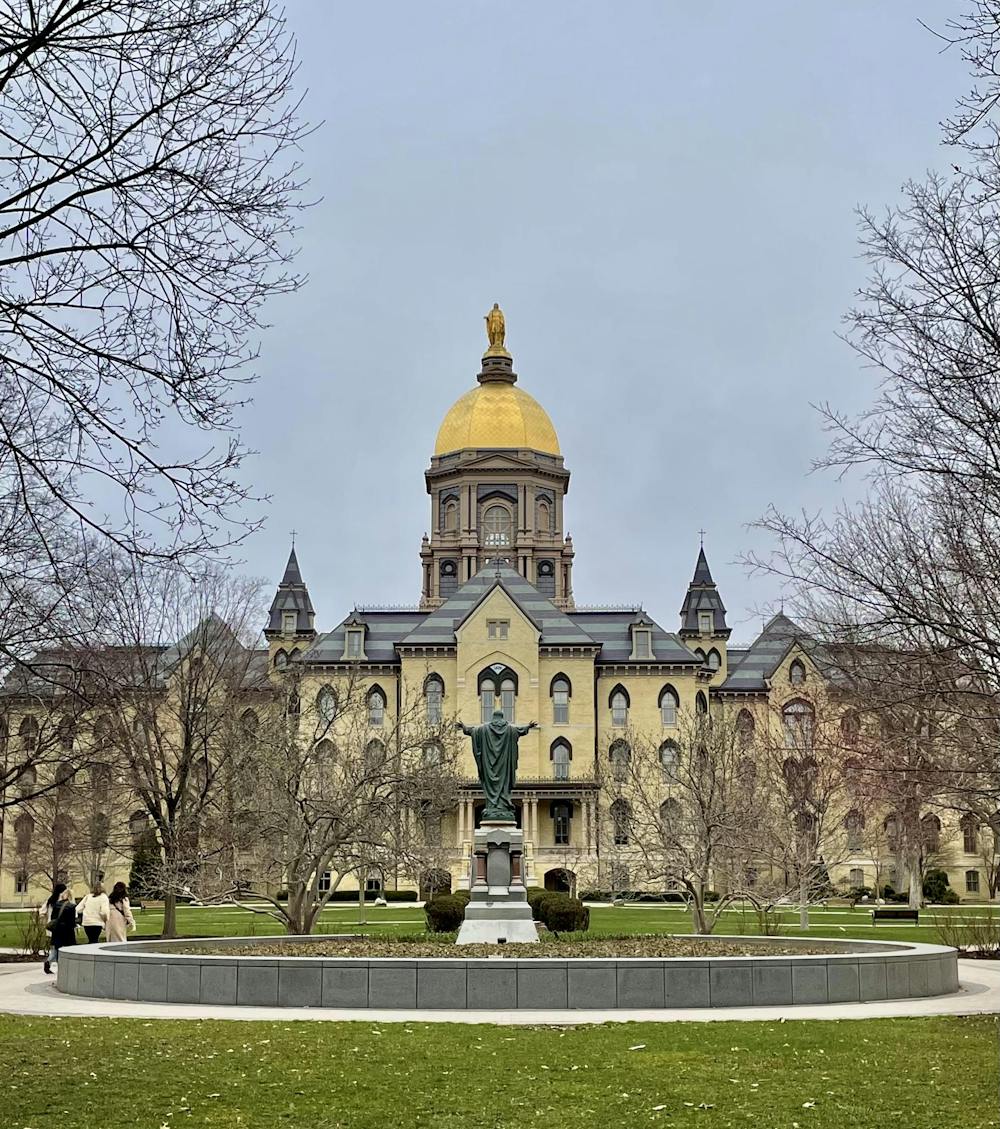
As an international student who has the privilege of studying at Notre Dame, I believe it is essential to advocate for peers who also aspire to study in the United States. The diverse perspectives that international students bring to campus are not just enriching but transformative. They broaden classroom discussions, introduce new cultural insights and prepare all students to think more globally in an interconnected world. Diversity is not simply about representation; it fosters innovation, empathy and collaboration. Ensuring that visa systems are efficient and fair is therefore not only a matter of access but also a commitment to strengthening the academic and cultural fabric of universities. By supporting international students, the U.S. upholds its tradition of being a place where talent from around the world can come together to learn, contribute and build lasting connections.
Molly Wu is a junior studying political science and economics. While she was originally from Beijing, she went to a boarding school in New Jersey since high school. Growing in an environment that stresses the importance of diversity, she enjoys absorbing and sharing different perspectives. You can contact Molly at lwu5@nd.edu.