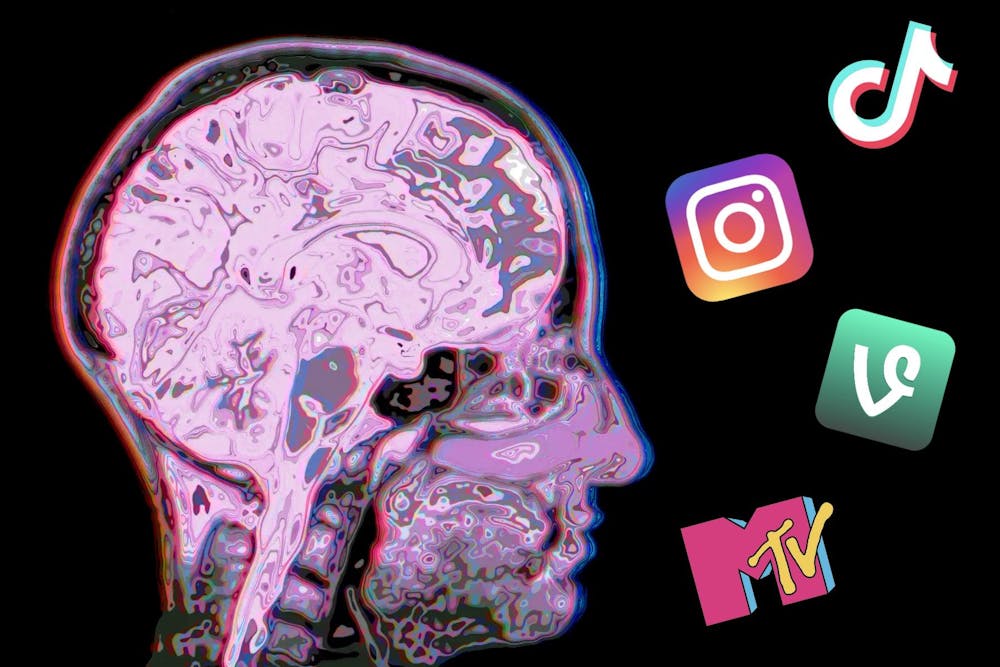
67, chopped, AI cannibal fruit eating fruit videos — all these terms have one thing in common: They’re considered brain rot.
Brain rot has been a hallmark of Gen Z culture, frequently cited by older generations as a sign of generational failings and decline, for years now. Really becoming popular in 2020, at the height of the COVID pandemic, the term brain rot has dominated the media so effectively that it was named Oxford’s 2024 Word of the Year. Originally used to mean literal brain decay as a result of social media overconsumption, brain rot now usually refers to the actual videos and memes (characterized by low-quality audio and visuals and random, uncomplex humor) that cause the supposed “rot.”
At first glance, brain damage caused by constant consumption of unintelligent jokes and mindless TikTok scrolling is obviously a bad thing. For years, the world has been “concerned” about Gen Z; our attention span, overall intelligence, educational capabilities and (now that we’ve grown up) employability. Nevermind that we lost formative social years to COVID — we also spend countless hours doom scrolling, use AI for every problem we’ve ever had to solve and move back in with our parents when we graduate because we’re just too lazy to find jobs (and are even offended by the word “job!”).
Obviously, outrageously untrue stereotypes from older generations about young people are nothing new, and neither are generation-specific slang terms and inside jokes. Before TikTok, there was Vine; before Vine, YouTube; MTV, regular TV and if you go back far enough, radio/recorded music. While people love to criticize those who come after them, we often miss that once a generation’s prime has passed, the most popular elements of their culture (their brain rot) are immortalized as important parts of history and major societal milestones. Elvis Presley’s music, the Thriller MTV video and the Harry Potter movies are considered some of the most influential pop culture developments of all time, and they were all originally demonized by older people who didn’t understand or relate to them.
While the typical brain rot meme might never be regarded as highly as Michael Jackson is, short-form content and the creators and platforms who create and distribute it have permanently altered American culture. History books will never be able to talk about the 2020s without mentioning TikTok, even if they could, they shouldn’t.
Besides being culturally influential, brain rot is simply healthy for Gen Z. It’s normal for young people to have inside jokes and slang terms that only they understand; it helps us relate to each other, find common ground and build social connections, even in person. Social media is unavoidable, but using it to share humor alongside news (both political and otherwise), pessimistic opinions and regular school/lifestyle content helps keep the platform fun and diverse.
Brain rot, while maybe not our most intellectual cultural contribution, is also not to blame for Gen Z’s mental health struggles, challenges in the job market or economic difficulties. A combination of economic policy, world events and the simple passage of time has led to the dire financial situation that affected millennials long before it has affected us, and will likely continue to harm generations to come. Brain rot is an easy scapegoat, but rather than a cause of Gen Z’s biggest challenges, it is a symptom.
Overcoming our natural inclination to blame brain rot may help us to root out and address real issues affecting our generation: the housing crisis, a historically bad job market and deep stress and concern over social issues are only a few of the much more logical places to begin addressing the multitude of hurdles facing young adults today. Who better to solve them than Notre Dame students, rotted brains or not?
Sophia Anderson is a junior transfer at Notre Dame studying political science and planning to go to law school. You can contact her at sander38@nd.edu.