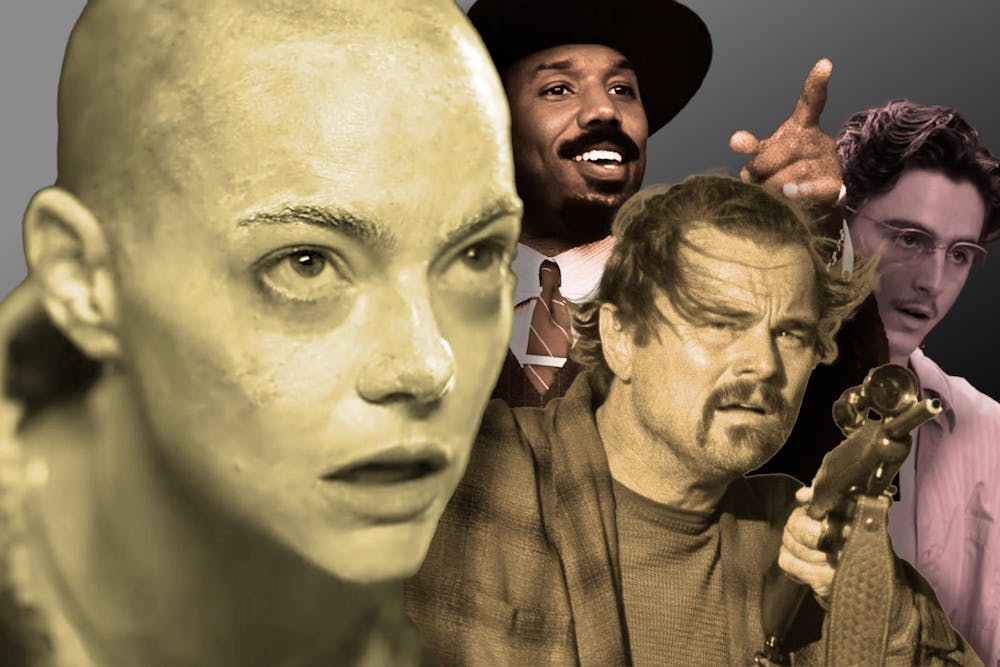
The film awards season is both exciting and exhausting. It’s a time to watch your favorite filmmakers and actors receive awards that are authoritative testaments to their excellence, but it’s also a time for insufferable discourse and tribalism that turns cinephilia into a deeply politicized endeavor. This past awards season finally concluded Sunday evening with the 2026 Oscars. The dramatic narratives heading into the ceremony — Paul Thomas Anderson’s long-overdue Oscar, the populist enthusiasm behind “Sinners” and Timothée Chalamet’s brazen quest for a best actor win — made for one of the more exciting ceremonies in recent years. So now that the dust has settled for a few days, did the academy get it right?
Anderson’s “One Battle After Another” has been the top dog this entire awards season, and rightfully so. It’s a brilliant, madcap adventure that sends up the current rise of authoritarianism and white nationalism in our country. The eccentric characters, hilarious comedy and the sweet father-daughter relationship at its core make for an urgent political satire that remains freewheeling and heartwarming. It’s one of — if not the — best in Anderson’s impeccable career and made an undeniable case to finally end his infamous Oscar dry spell. While there were some limp attempts to take down the film for being secretly racist, it still won every major precursor leading up to the Oscars. However, many, including myself, still thought it wasn’t a definite shoo-in for best picture thanks to Ryan Coogler’s “Sinners.”
“Sinners” is a miraculous film on many fronts. Its everything but the kitchen sink approach shouldn’t work on paper — a vampire historical drama musical about the Jim Crow south and capitalist exploitation sounds ludicrous — yet Coogler masterfully handled its genre mashups and abundance of ideas with ease. It’s a crowd-pleasing blockbuster with sex, gnarly vampire slaying and a catchy soundtrack that is still more intellectually stimulating than most arthouse fare. Not only was it an artistic triumph, but also a commercial triumph, becoming one of the highest-grossing original films of the past decade. Given its horror elements and early March release, it initially didn’t seem like a serious contender for awards season, but a record-breaking 16 Oscar nominations and an overwhelming surge of grassroots support later, many thought it could upset “One Battle After Another” at the Oscars.
Now, even though I love both films, I am deferential to “One Battle After Another” and believed Anderson and crew deserved to win in most categories. The academy smartly agreed to split the difference. “One Battle After Another” took home the top prize of best picture, alongside Anderson winning best director and best adapted screenplay. Meanwhile, Coogler won for best original screenplay. I think this was the best outcome possible. Both men and their excellent films got much-deserved wins, and both films’ fandoms can walk away from this ceremony very pleased. Moreover, I am not worried at all about Coogler having another chance at best director or best picture; he is still very young, and I’m sure he’ll receive whatever funding and resources he desires for his next bold original film following the third “Black Panther” film.
The other big narrative heading into Sunday was the best actor race. This was one of the most competitive lineups in recent years, with several actors giving incredible, dynamic performances. But the actor who seemed most poised to come out ahead was Chalamet for his performance as Marty Mauser in “Marty Supreme.” It was a beguiling performance, as Chalamet assumed the role of a man with a monomaniacal pursuit of greatness, but the line between performance and reality blurred during his awards season campaign. He was feral for that Oscar glory and unleashed a flurry of promotional tactics to promote the film and his central performance. And while these viral antics helped propel the film to become A24’s highest-grossing of all time, I think they left a bad taste in voters’ mouths. Some of these promotions came off as arrogant and unbecoming — hosting a career retrospective celebration at the ripe age of 30 is definitely crazy on the face of it. The cards are already stacked against you in this category if you are a young, handsome and ambitious heartthrob — just look at how the academy snubbed Leonardo DiCaprio for decades, only relenting after he nearly killed himself in frozen rivers and animal carcases for “The Revenant.”
Chalamet’s swagger and self-confidence were always going to rub Oscar voters the wrong way and make an improbable win an impossible win, no matter how good a performance he gave. This hubristic persona — as well as a scandalous expose about “Marty Supreme” director Josh Safdie and all the “Sinners” goodwill — ultimately allowed the more veteran Michael B. Jordan to swoop in and win best actor. Now, Jordan wasn’t bad in “Sinners” but he wasn’t outstanding either; he gave a good performance. But I think every other actor nominated in the category gave a better performance than him; I even think there were performances not nominated that were better than Jordan’s (the injustice of the Jesse Plemmons snub will reverberate for decades to come). Nevertheless, Jordan is a very affable, upstanding guy who has been putting in solid work for decades, and it’s hard to get too mad about someone whose very first words in his acceptance speech were “God is good.” I hope this loss spurs Chalamet to keep choosing daring projects and delivering captivating performances. His time will come soon enough, but he just needs patience and a better PR strategy.
Besides those big thread lines, there were lots of other great moments throughout the night. Sean Penn winning his third Oscar for best supporting actor despite barely campaigning and giving his previous statues to Ukraine so they could be melted down into bullets to “kill Russians” was oddly satisfying. It was a reminder that the raw power of a performance is sometimes all it takes to win; also, his skipping the ceremony for a meeting with Zelensky made the whole win even more amusing. Jessie Buckley’s completely expected win for best actress for her devastating performance in “Hamnet” was still a pleasure to witness. Amy Madigan’s win for best supporting actress for her villainous turn in “Weapons” was somewhat surprising. I think Teyana Taylor should have won for imbuing a relatively thin character with an explosive mystique, but Madigan still gave a very strong performance. Between her win and host Conan O’Brien devoting his opening monologue to riffing on the film, Hollywood clearly adores “Weapons,” making its total shutout from every other category something of a mystery. And lastly, Autumn Durald Arkapaw’s historic win for best cinematography in “Sinners” was both highly deserved and an embarrassingly overdue moment for representation.
The night was not perfect: Chalamet losing a worthy best actor win while enduring constant derision from Conan and winners’ speeches made the night feel like a cruel humiliation ritual for a young star that Hollywood should be immensely grateful to have; “Bugonia” and “Marty Supreme” walking away with zero wins definitely stung and the abrupt cutoff of the acceptance speech from the “Golden” songwriters was shockingly rude. But overall, the academy demonstrated sound judgment in its decisions this year. This is the third year in a row I’ve been pleased overall with the Oscars; I’m cautious of this hot streak and fully bracing myself for a terrible 2027.