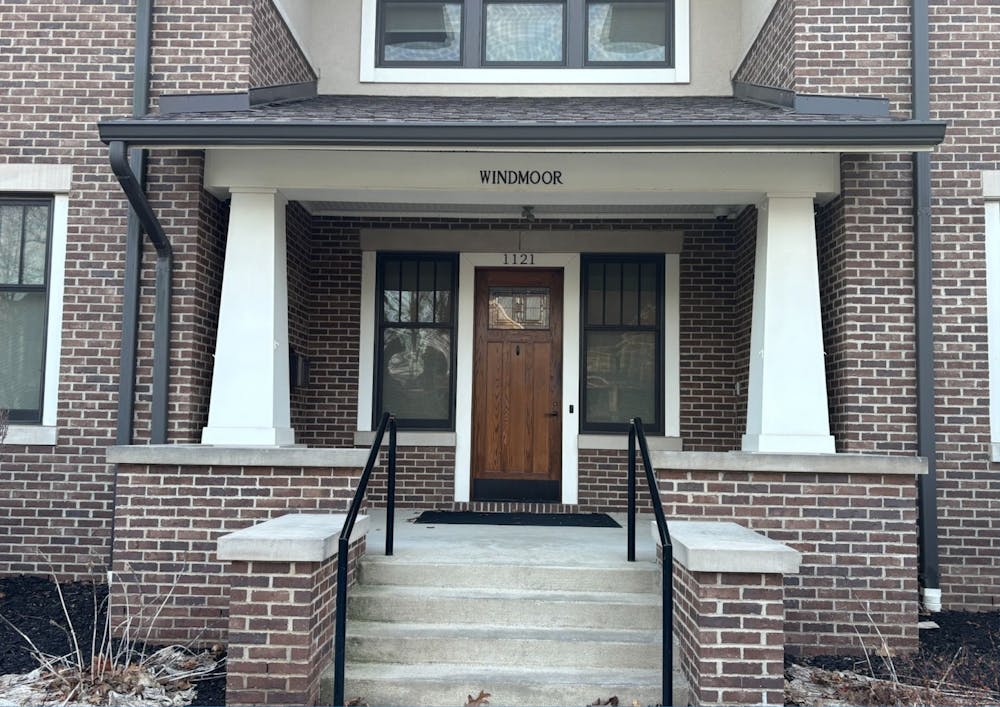
Windmoor Study Center, an off-campus residence, offers Notre Dame senior men a housing option focused on Catholic formation, academic development and community life. The residence operates independently and is not affiliated with the University itself.
The study center is entrusted by Opus Dei, Latin for “Work of God,” a personal prelature within the Catholic Church founded in 1928 by Saint Josemaría Escrivá.
Windmoor is owned and operated by Windmoor Foundation Inc., an Indiana-based nonprofit organization. The director of the house, Michael Seelinger, an engineering professor and director of undergraduate studies, serves as the president of that foundation. The house is financially supported by the donations of numeraries, who contribute their salaries to the organization, and the tuition of its permanent residents.
“Opus Dei is built on the idea that holiness is not reserved for priests or monks, but can be lived in ordinary life through sanctifying your work and the apostolate,” junior Alex Gonzalez, a student who frequently attends events at Windmoor, said.
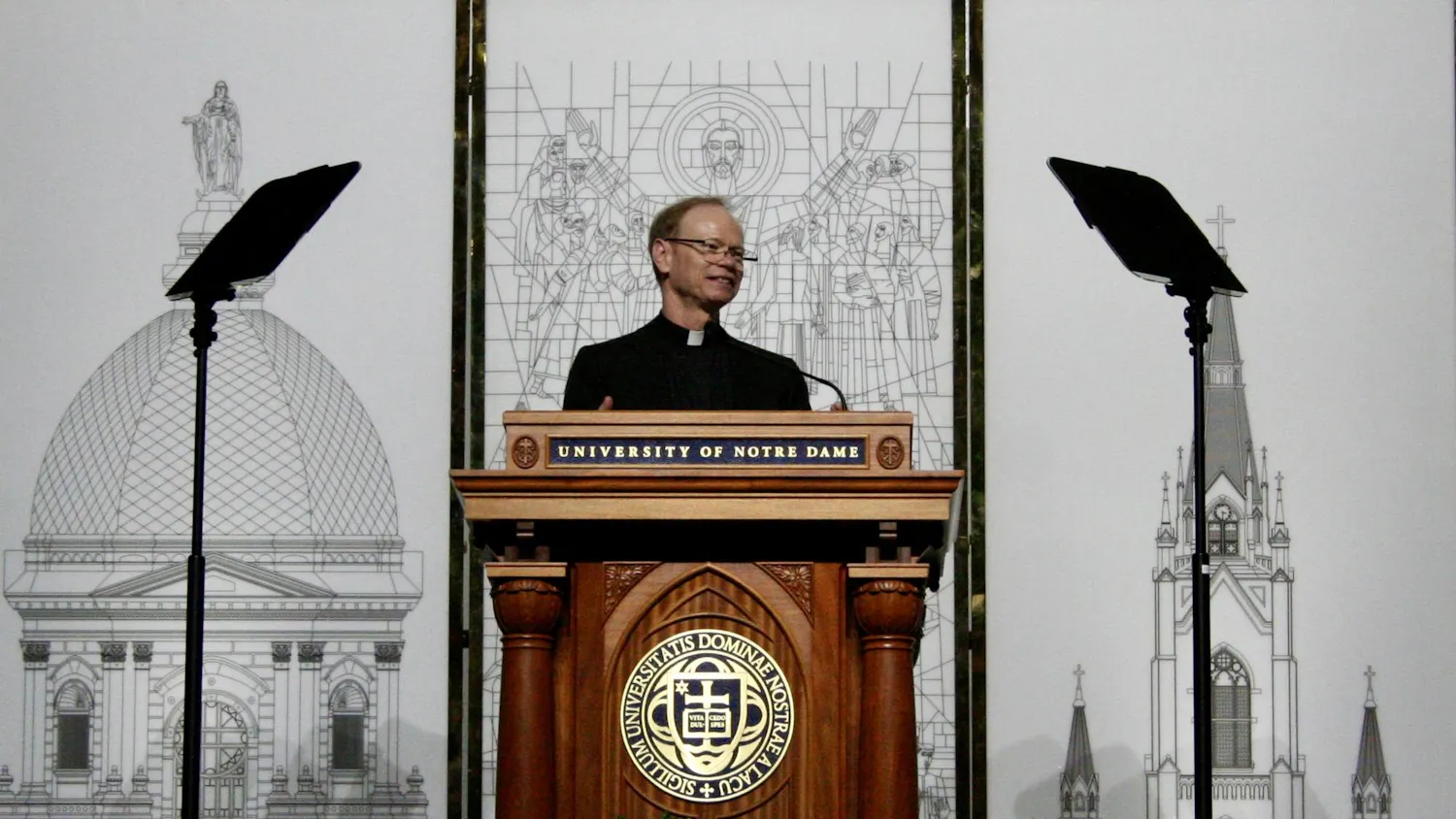
Seelinger discussed his own history and ties with the Windmoor Study Center.
“I’m a triple domer, and I met some friends who took part in activities in Opus Dei in Windmoor back in 1992. My senior year, I decided God was calling me to give more, become a numerary and manage the house,” Seelinger said. Numeraries serve as celibate members of Opus Dei who run the residence.
The house is a 20 minute walk from Main Building on Notre Dame Avenue and functions as both a student residence and a center for spiritual and professional development. The three-story facility includes furnished bedrooms, study spaces, a library, weight room, common areas and a chapel open for prayer, Mass and confessions.
The building hosts approximately 25 individuals, about nine undergraduate students, nine graduate students, a priest and five numeraries.
In addition to permanent residents, other students may participate in Windmoor’s programming, including weekly Friday meditations and dinners. The house also hosts guest speaker lectures, with recent invitations including Harvard Medical School professor and psychiatrist Kevin Majeres, Bishop of Fort Wayne-South Bend Kevin Rhoades and former U.S. Rep. Michael Ferguson.
The cost of living at the residence is $5,400 per semester, which is $4,000 cheaper than on-campus room and board. Permanent residents receive services including three daily meals, packed lunches and weekly laundry and dry-cleaning, as well as daily Mass.
According to Seelinger, “The house is not for members of Opus Dei exclusively; in fact, most of the people who live there are not members of Opus Dei.”
Interested students complete an initial Google form and must meet with the directors for an interview, where they will determine whether the Opus Dei lifestyle is a good fit. Decisions are typically communicated in early February.
“All of my best friends I found through Windmoor,” junior Eddie Giuntini said. “It’s just a place where I can go and be with guys who have the same mission as me to grow in friendship with Christ.”
An important standard of the house is that women are not allowed to gather in the residence, with the exception of Christmas dinner and Welcome Weekend. Nevertheless, female staff members, sometimes described as numerary assistants, are employed to assist with cooking and cleaning.
“They are instructed to maintain limited interaction with students and numeraries. Because vocations to Opus Dei are celibate, they want to keep the two separate,” Giuntini noted.
For women interested in similar programming, the Southold Center for Education, an Opus Dei-affiliated residence, is also located in South Bend.
“We are much more open than people think we are. If someone is curious about Opus Dei, have them call me or email me, I’m happy to show them Windmoor and open the doors,” Seelinger said. “Because we tend to do things by word of mouth people feel like we are secretive, but we really aren’t and don’t want to be.”