
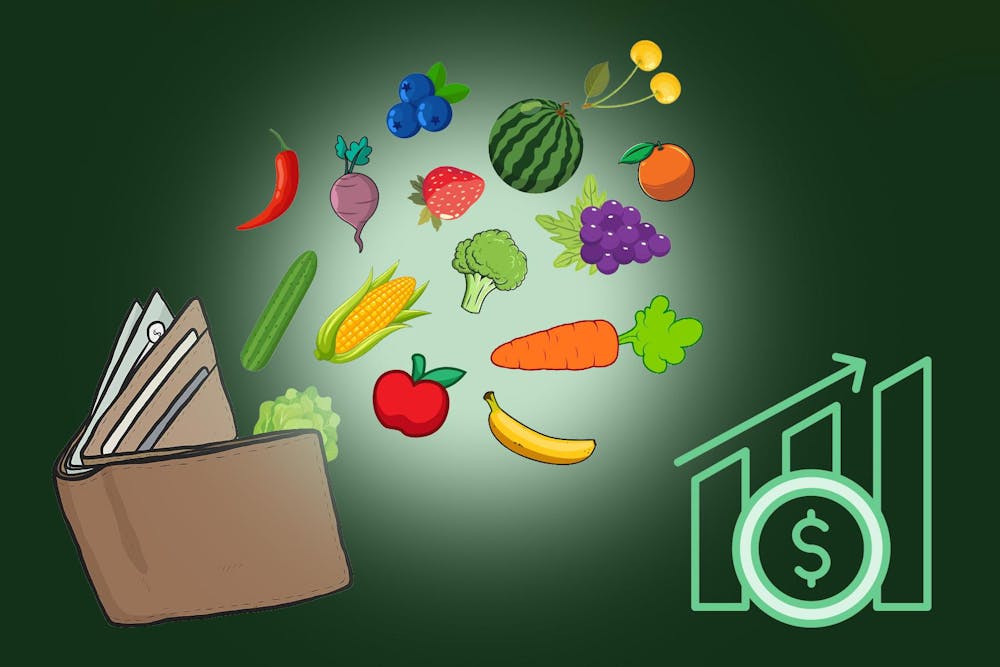
Goodbye cars! So long houses! Goodnight Rolexes!
No longer are these purchases an indicator of making it big. In fact, 20-somethings aren’t noticing assets. That’s a thing for your 30s. Rather, it’s all about what you eat, or at least appear to eat.
We have officially entered the golden age of using food to flaunt social status. Your olive oil can say everything about you. Flashing a $10 matcha makes you fit in with the performative males who wear wired headphones and read feminist literature. A picture of a bagel perfectly staged can do wonders for your Instagram story.
There are countless other examples taking us by storm, because, let’s face it, our phones are the ultimate all-you-can-eat buffet.
Of course, social media is the ultimate poster board for food reviews and recommendations. It is now more accessible to find a restaurant than it’s harder to find a place not on a TikTok list. But so long are the days of only eating at dimly lit Manhattan restaurants or bright vegan cafes in Los Angeles. Restaurants will always indicate status and class. In recent months, however, we have assigned influence and success on ingredients.
One TikTok user with the handle @kfesteryga earlier this year predicted that food, and more specifically luxe fruit and vegetables, would become the ultimate status symbol in 2025. All of her content since her viral post earlier this year has included food parading on the runways, at the Met Gala and as extravagant home decor.
In February, Hailey Bieber, model and founder of Rhode, partnered with FILA in an advertising campaign. In a shoot, she carried a bag of produce slipping out of her hands as an ode to her famous farmer’s market nails that she wore just a few months earlier. Many people saw the flawless produce as a sign of wealth and class that has moved beyond the traditional displays of money. Such simple, perfectly manicured food became affluent beyond what many can currently afford.
At a time when the economy was uneasy, and largely fair for the affluent, many took the campaign as an indicator in the rivalry for simple, whole ingredients. Reclaiming necessities — and doing so with poise and precision — thrusted her more into the public’s spectacle and turned more people towards her other business endeavors.
Her Rhode lip products, starting at $20, are a holy grail for many girls, and began selling in Sephora in September. Her $20 strawberry glaze smoothie at health food grocer Erewhon has long been a staple social media post for most people visiting Los Angeles. Rhode was also acquired by a $1 billion dollar deal with e.l.f. Cosmetics in May earlier this year.
The FILA campaign is one example of produce symbolizing a wealth divide in the sustenance we eat. Erewhon has for years been the epicenter for affluent shoppers glorifying the most basic household staples (anyone want eight ice balls for $32?).
The irony comes full circle when — amid a long government shutdown — SNAP federal food benefits and preschool aid are poised to exhaust this weekend. Next week, WIC, a program supporting low-income mothers and their children, could run dry, according to the Associated Press.
Striking a deal before Nov. 1 would reinstate these federal programs. Nearly 12% of American households would feel slashes in these funds.
Other grocery stores are tackling coupons to increase accessibility. This summer, Kroger made their digital coupons more accessible for shoppers by only needing to scan a single barcode for all weekly deals. Grocery stores in San Diego are banned from using digital only coupons, which are difficult for senior citizens and low-income shoppers to clip.
We will always be susceptible to celebrity endorsements, media advertisements and recommendations for the hottest new wellness remedy. And with inflation climbing, though not as rapid as economists thought earlier this year, lavish produce may continue to bifurcate the bottom 50% of households from the top 1% and their $88 neptune blue sea moss gel.
Redmond "Reddy" Bernhold is The Observer's opinion editor emeritus and a senior studying biochemistry and journalism. He originally hails from Minster, Ohio but calls Siegfried Hall his home on campus. When not writing, he explores South Bend coffee shops and thrift stores. You can contact Reddy at rbernho2@nd.edu.


