
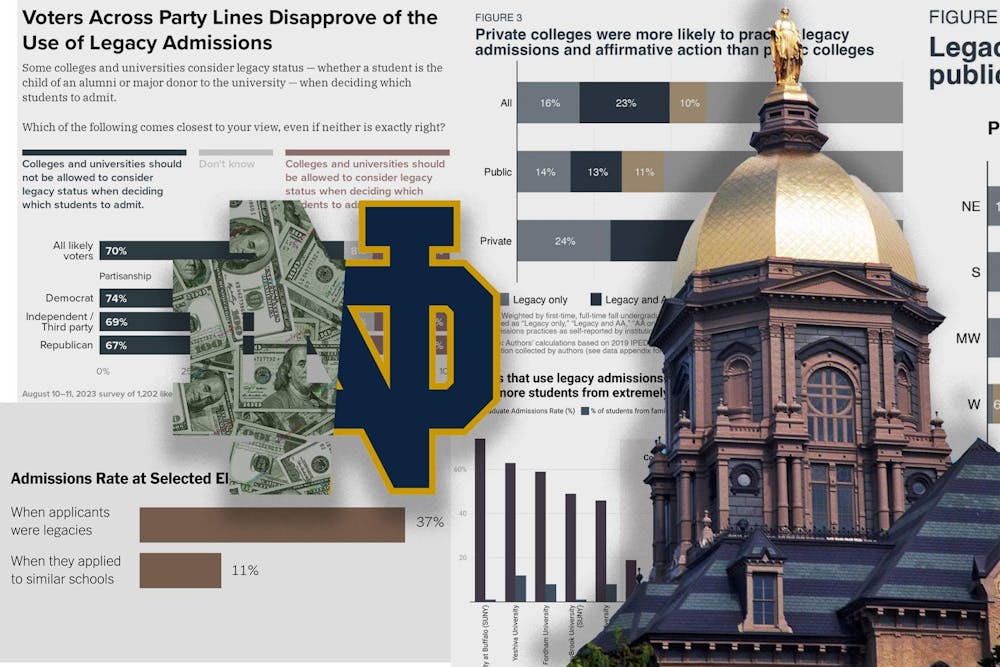
A recent law in California banned legacy admissions at private universities, arguing that students should not receive an advantage simply because their parents attended the same school. The policy reflects growing concern that admissions systems should be fair and based on individual curiosity, efforts and achievements. Yet Stanford University has chosen to continue considering legacy status, even if doing so means stepping away from a state financial aid program connected to the law. The disagreement highlights a broader question that goes beyond admissions policy: what role should education play in society?
One common view sees higher education as a system of opportunity. Under this perspective, universities are meant to identify talent and allow students from different backgrounds to compete on equal terms. For generations, education has been portrayed as a pathway for mobility and discovery. If admissions decisions include factors like family connections, then the system risks favoring those who already possess social and economic advantages, thus undermining the assumption that all students are equally capable of excelling.
At the same time, education has never been only about individual advancement. Universities are also socially constructed communities that extend across generations. Alumni networks, traditions and long-standing relationships form part of the identity of many institutions. Families sometimes see attending the same university as a continuation of shared experiences and values. From this perspective, legacy admissions are not only about privilege but also about maintaining connections that bind a community together over time.
Supporters of legacy policies often emphasize this sense of continuity. Alumni who feel personally connected to a university may contribute financially, mentor current students or support programs that benefit the broader campus. These relationships can shape the culture and identity of a school over time. In some ways, they show that education is not only about individual success but also about belonging to a community that lasts across generations.
I began to understand this idea through my own experience. As an international student, when I first came to the United States to attend a boarding school in rural New Jersey, I often felt homesick and unsure about whether I had made the right decision to move so far away. Over time, however, the school became more than just a place to study. In fact, my own definition of “education” was no longer only about mastering certain concepts. Through friendships, mentorship from teachers and the routines of everyday campus life, I developed a sense of attachment to the community around me. Even the physical spaces on campus began to feel familiar and meaningful. Experiences like these helped me see that education can function not only as a competitive system but also as a social institution that carries traditions, relationships and memories forward.
The tension between these two ideas is not easy to resolve. On one hand, universities present themselves as places that reward intellectual ability and effort. On the other hand, they operate within networks of history, loyalty and community. Policies like California’s ban attempt to prioritize equal access, while Stanford’s decision reflects a belief that institutions should retain flexibility in defining their values and relationships.
The debate over legacy admissions is not simply about fairness versus privilege. It is also about how society understands the purpose of education. Should universities focus primarily on creating opportunities for individuals who have earned it? Or, should they also recognize their role as communities that connect past, present and future generations?
In reality, higher education likely contains elements of both. Universities educate students, but they also build traditions and relationships that last long after graduation. The challenge is finding a balance between these goals, and this discussion around legacy admissions is one example of how institutions continue to negotiate that balance in a changing social and political environment.
Molly Wu is a junior studying political science and economics. While she was originally from Beijing, she went to a boarding school in New Jersey since high school. Growing in an environment that stresses the importance of diversity, she enjoys absorbing and sharing different perspectives. You can contact Molly at lwu5@nd.edu.


