As the world of college athletics has become increasingly intertwined with partnerships and large brand collaborations, name, image and likeness (NIL) deals have become increasingly attractive to student-athletes that wish to increase their personal income streams or relationships with brands.
Since the NCAA legalized NIL in July 2021, athletic teams at the University of Notre Dame have become progressively more involved with NIL deals and brand partnerships. In the fall of 2024, the University helped to launch RALLY, a collective agency that seeks to elevate NIL opportunities for Notre Dame student-athletes.
Although there have been increasing strides towards large-scale and team-oriented NIL initiatives, individual NIL deals are still extremely prominent and lucrative for athletes.
Esther Vyrlan, a freshman on the women's tennis team, expressed that non-revenue sports have typically fallen below the radar when it comes to large partnerships.
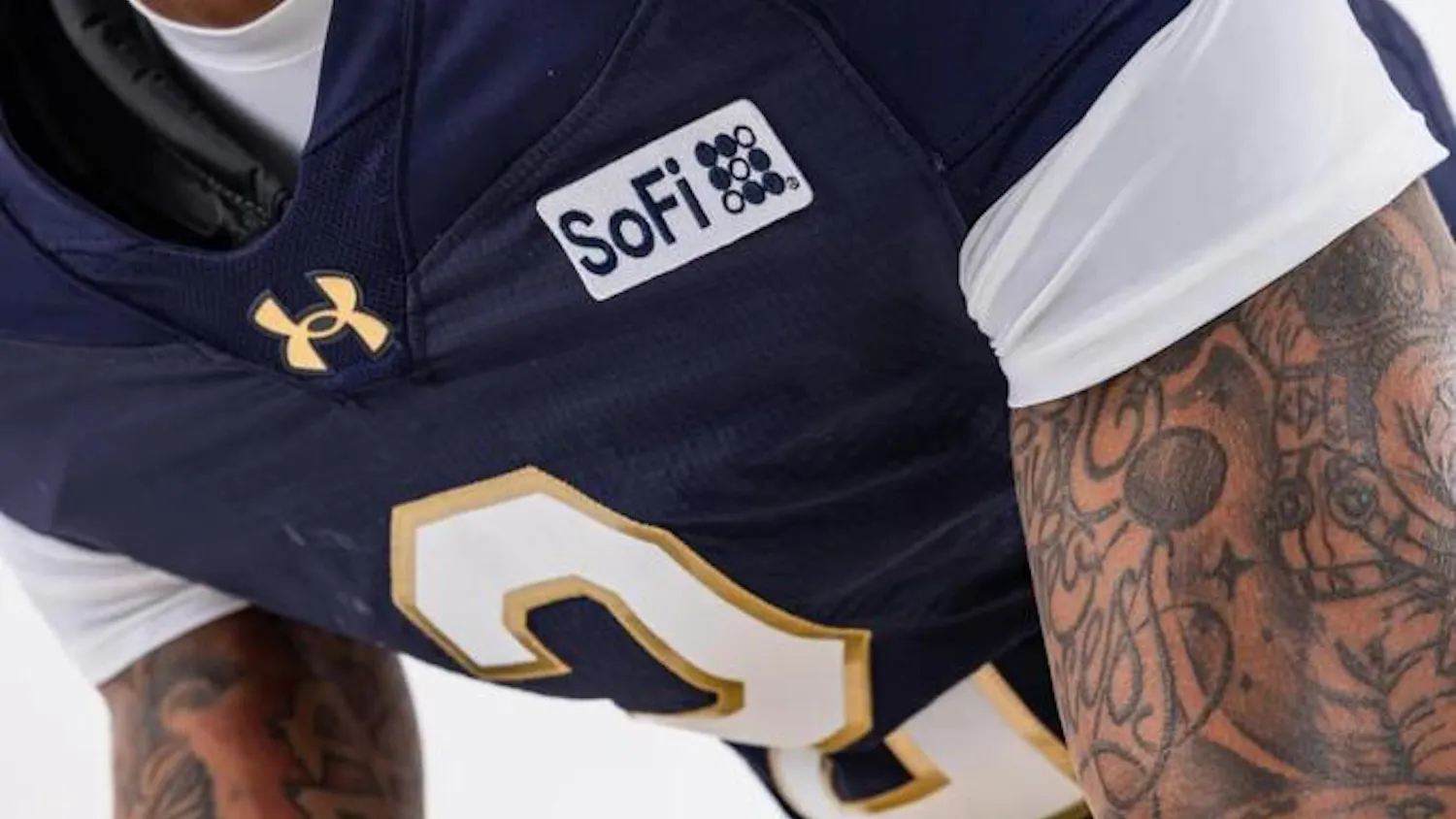
“My personal experience with NIL hasn't been as intense or glorified as sports like basketball or football since most of Notre Dame's personal funds get poured out into the commercialized sports. Notre Dame does provide small NIL deals with Under Armor though, essentially making us 'brand ambassadors,'” Vyrlan wrote.
Football and men's basketball have traditionally accounted for the majority of revenue for athletic departments, with Notre Dame being no exception. The payout from last fall's College Football Playoff run alone totaled $20 million. Smaller sports, including tennis, don't get allocated as much NIL money as the big programs.
“As a tennis player at ND we need to find most of our NIL deals through third parties such as Postgame. As tennis and most olympic sports are not as profitable, so if student athletes want NIL deals they have to seek them or create a strong social media presence,” Vyrlan wrote.
Caitlyn Early, a freshman on the softball team, talked about her personal experiences working with brands for NIL deals.
“With softball in general, there are a lot of bigger players in the sport that have NIL with big companies and typically get sponsorships. That shows up in ads, for example, with Mizuno, or they partner with a brand and they make a glove together, or they make a certain piece of equipment,” Early said.
She expressed that larger deals and sponsorships are generally reserved for athletes that have a heavy social media presence and that the brand itself can envision long-term relationships and product launches with the athlete, even beyond collegiate athletics.
“I’d say, within our team, we do a lot of team group deals.,” Early said. "Our whole team did something with Gorjana, so we all got a necklace, and then we all did something with Vuori, and we all got leggings and a hoodie.”
Depending on the sport, the structure of NIL deals can vary pretty broadly. Team sports are more likely to get team deals, while athletes that compete on their own are relatively independent. This creates a wide range of cultures from sport to sport.
“Everyone's always trying to find their own deals, and there's not as much collaboration in the whole process. Tennis as a whole isn't super invested into the NIL culture, and has a much more laid back approach to making money through it,” Vyrlan wrote. “Most student athlete tennis players I know don't even bother with dealing with NIL and all of its complexity.”
Early said that in her experience with the softball team, companies have a been willing to give apparel or other products to all of the athletes on the team as long as there is an associated social media post that showcases the items. Similar to Vyrlan, she said that individual NIL, while still providing good opportunities, is not forced on the athletes.
“There's not a lot of pressure to have any NIL deals, or develop any sort of social media presence. It's kind of just up to the individuals that want to do it,” Early said.
The recruiting process has especially been impacted by the evolving NIL landscape. Vyrlan said that she thinks recruiting for tennis is becoming increasingly vulnerable to the power of a check or brand sponsorships.
“Some programs, such as Oklahoma State, have deep pockets when it comes to offering players NIL funds on top of their full ride scholarships. So I would say the biggest way NIL affects tennis is during the recruiting process or with the transfer portal, since players want to go to schools that pay them extra,” Vyrlan wrote.
Early said she thinks that the ability to obtain NIL deals for student-athletes is relatively easy and highly beneficial for both parties.
“I think it's a great option for people to get access to things that they normally wouldn't, or just kind of motivate people to develop their online presence, because if you have a good social media, it's pretty easy to get in contact with brands,” Early said. “I'd say moving forward, as social media just keeps growing, I think it'll become more relevant.”